Manufacturing Processes

Complete Manufacturing Process

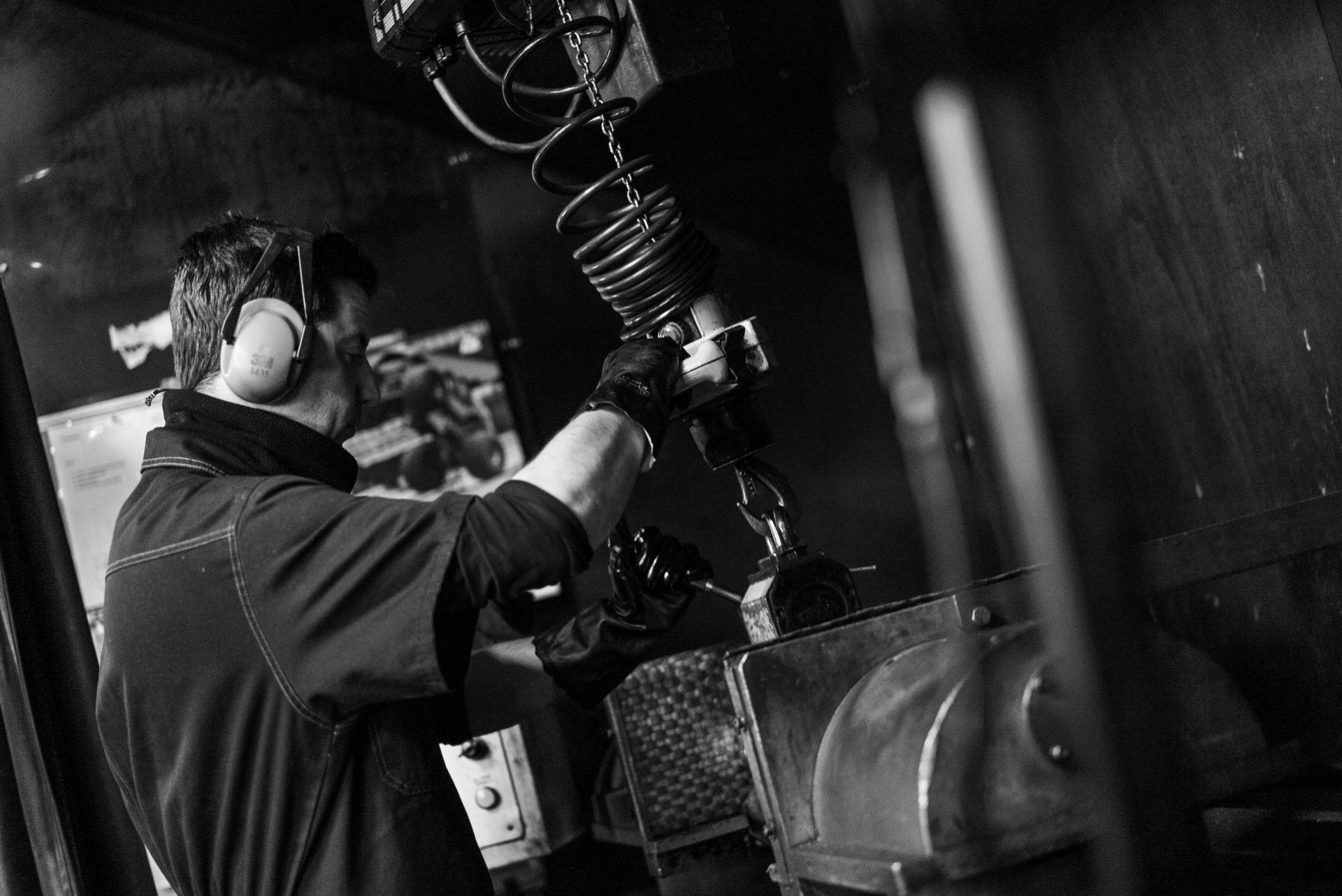
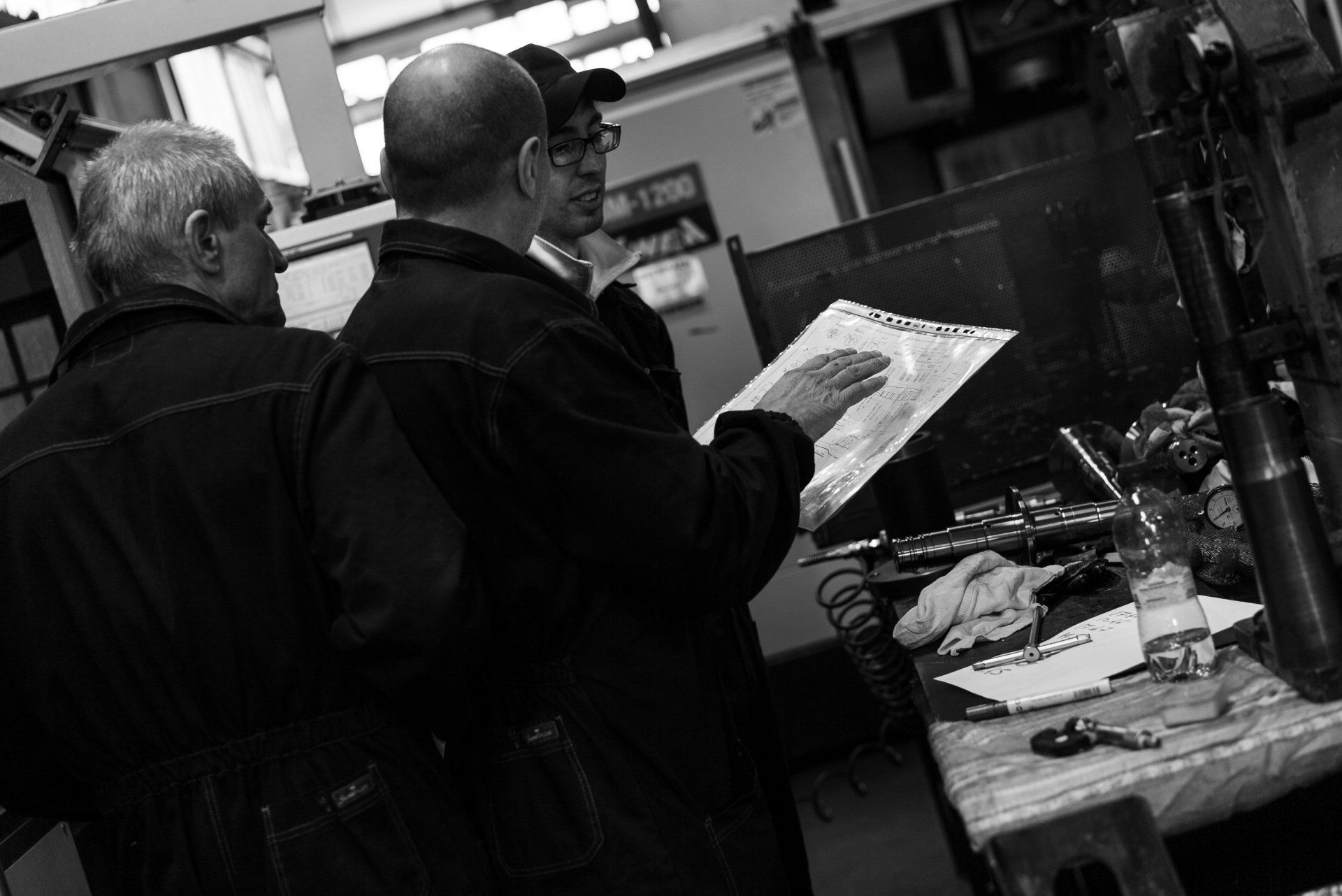
Trenton manages a complete manufacturing process for the production of mechanical components used in agricultural machinery, off-highway equipment and industrial applications.

From raw material machining to finishing and heat treatment, our production system integrates multiple manufacturing operations to ensure high dimensional accuracy, reliability and consistent quality.

The processes presented below represent some of the main operations performed within our production facilities.

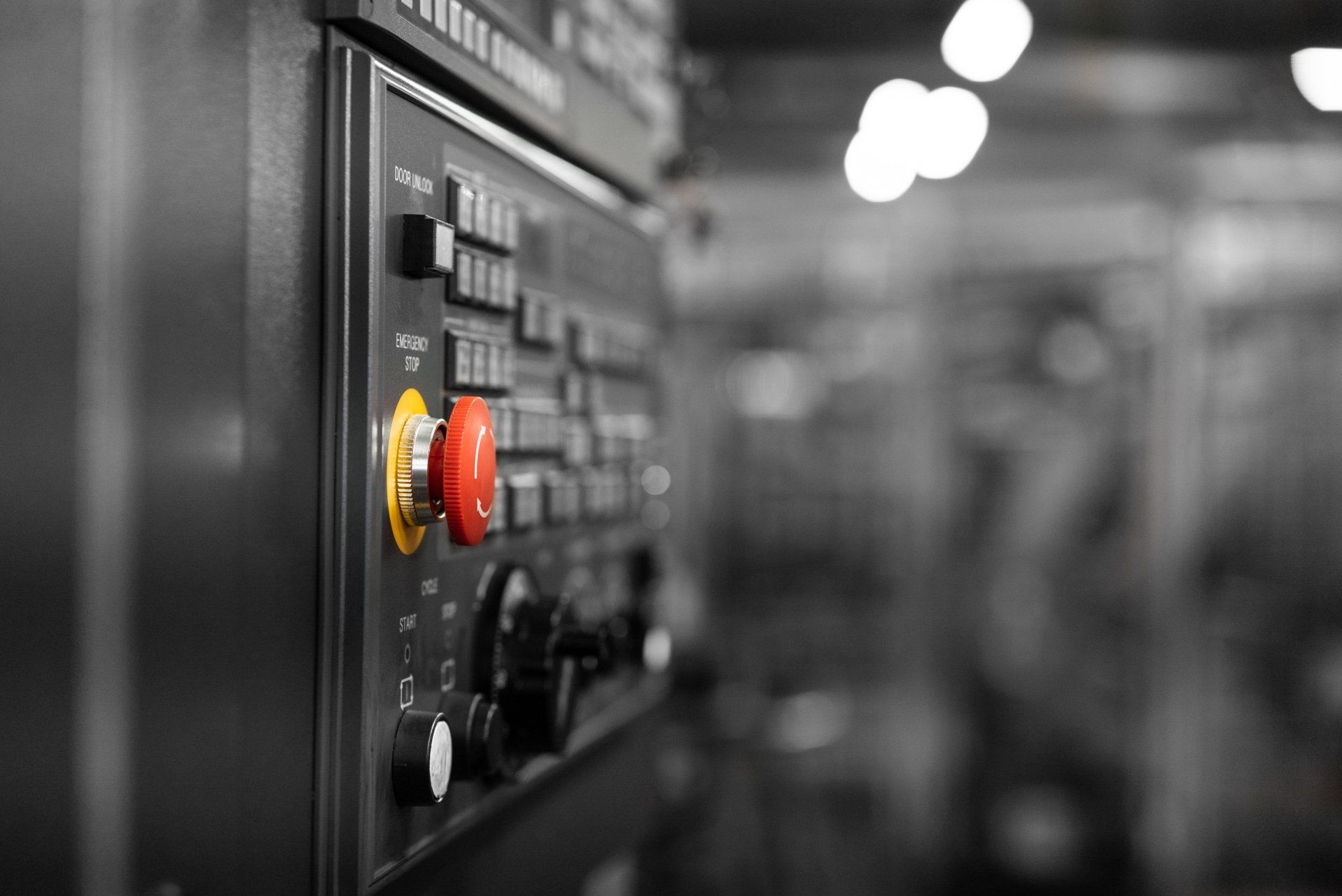
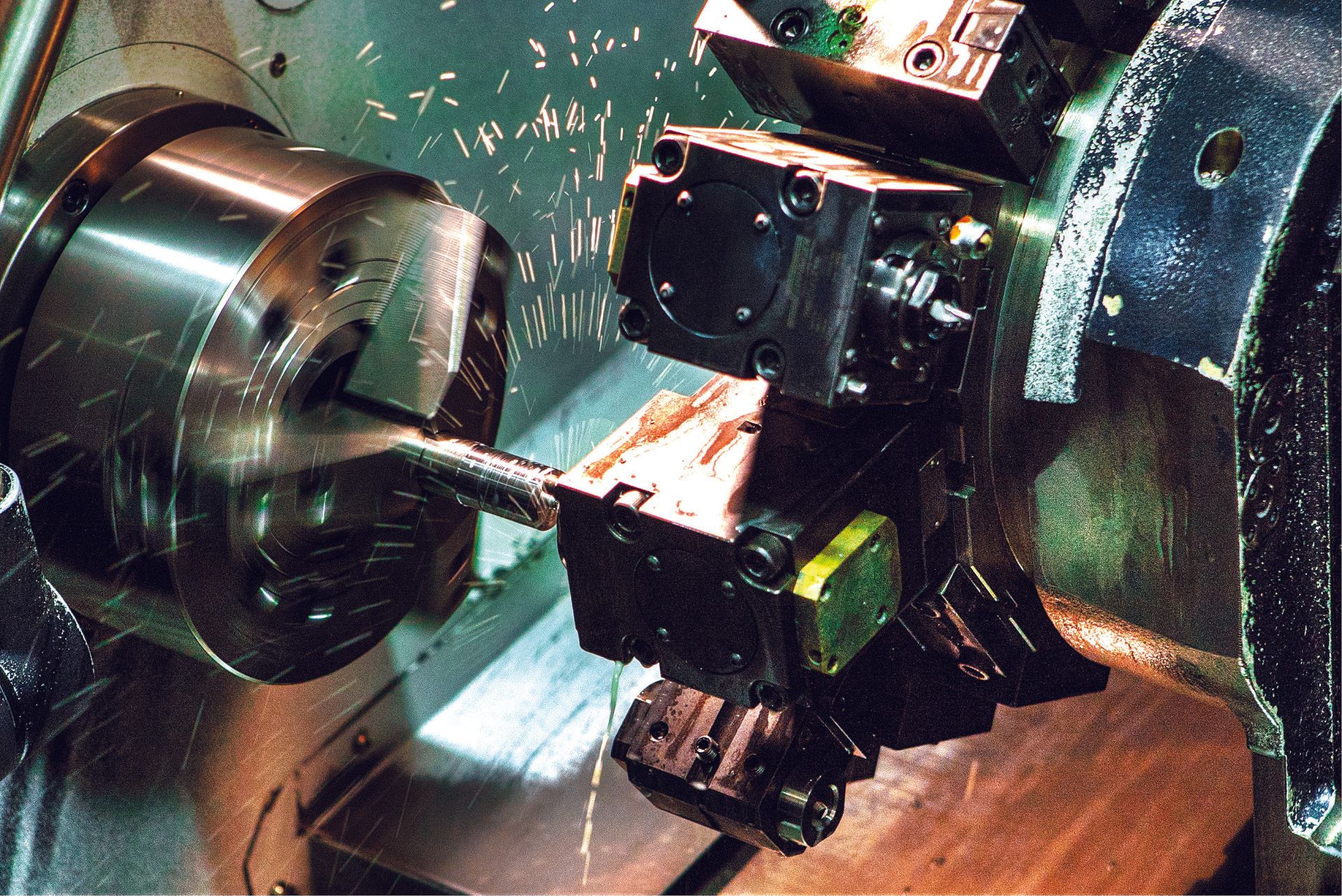
Precision Machining

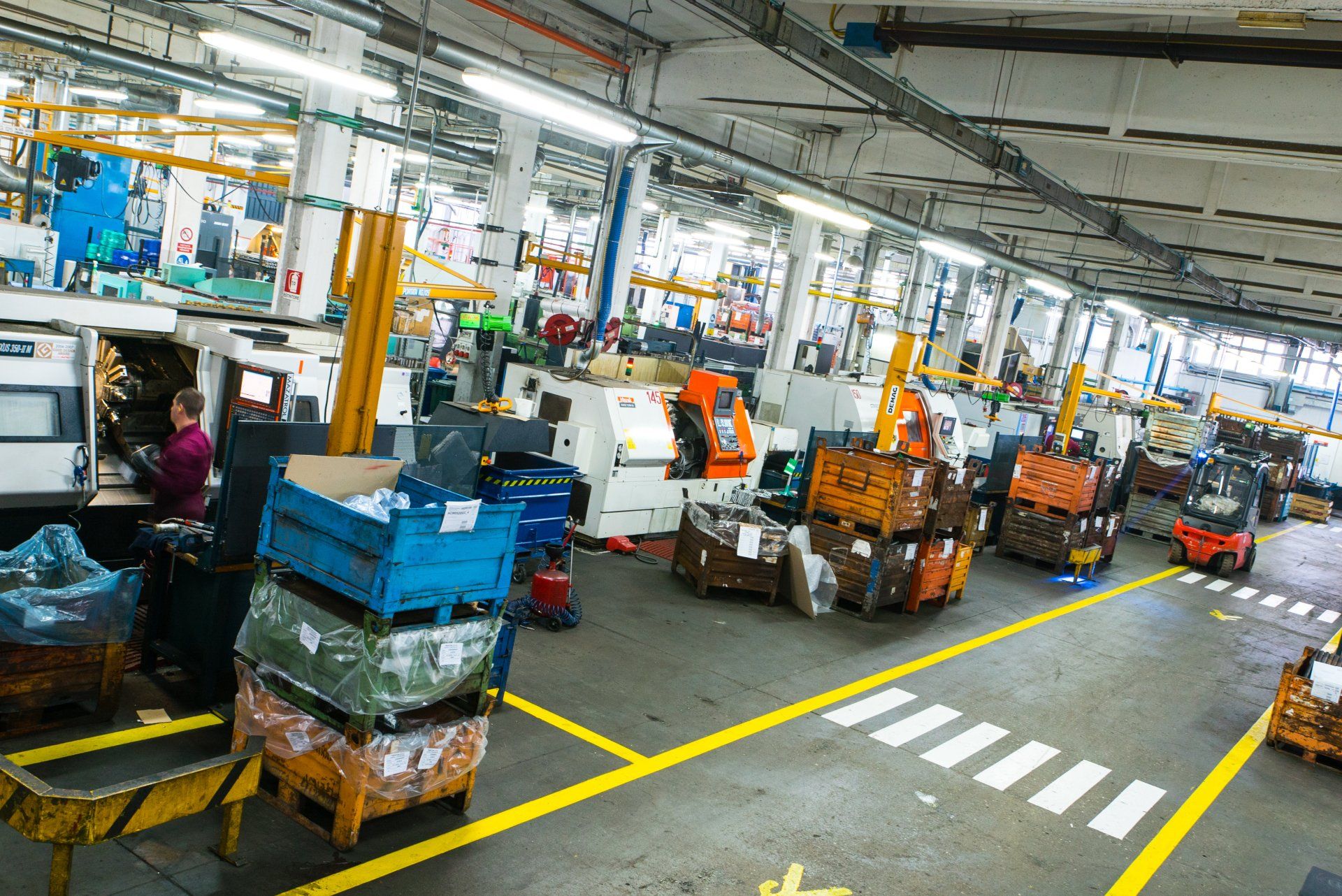
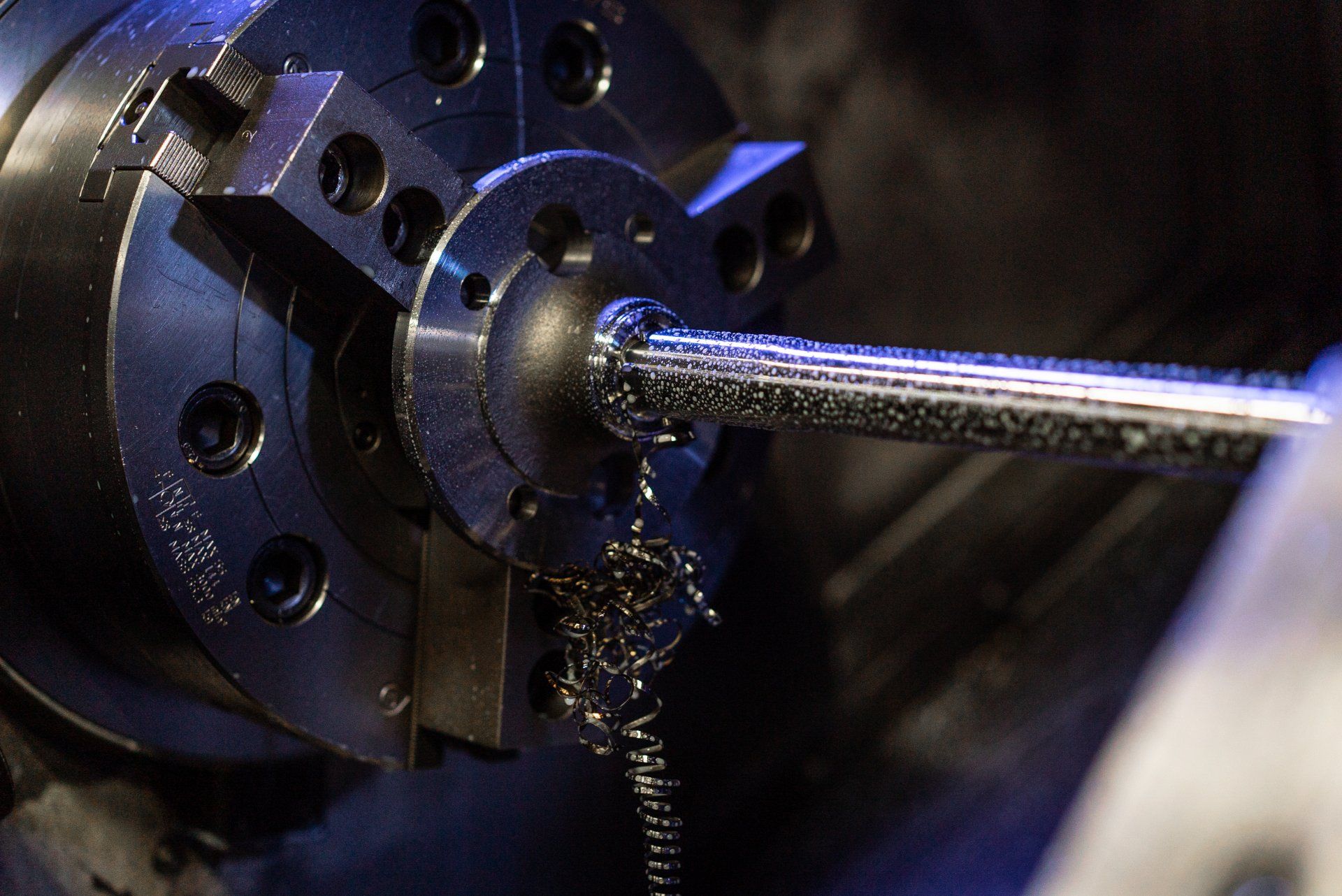
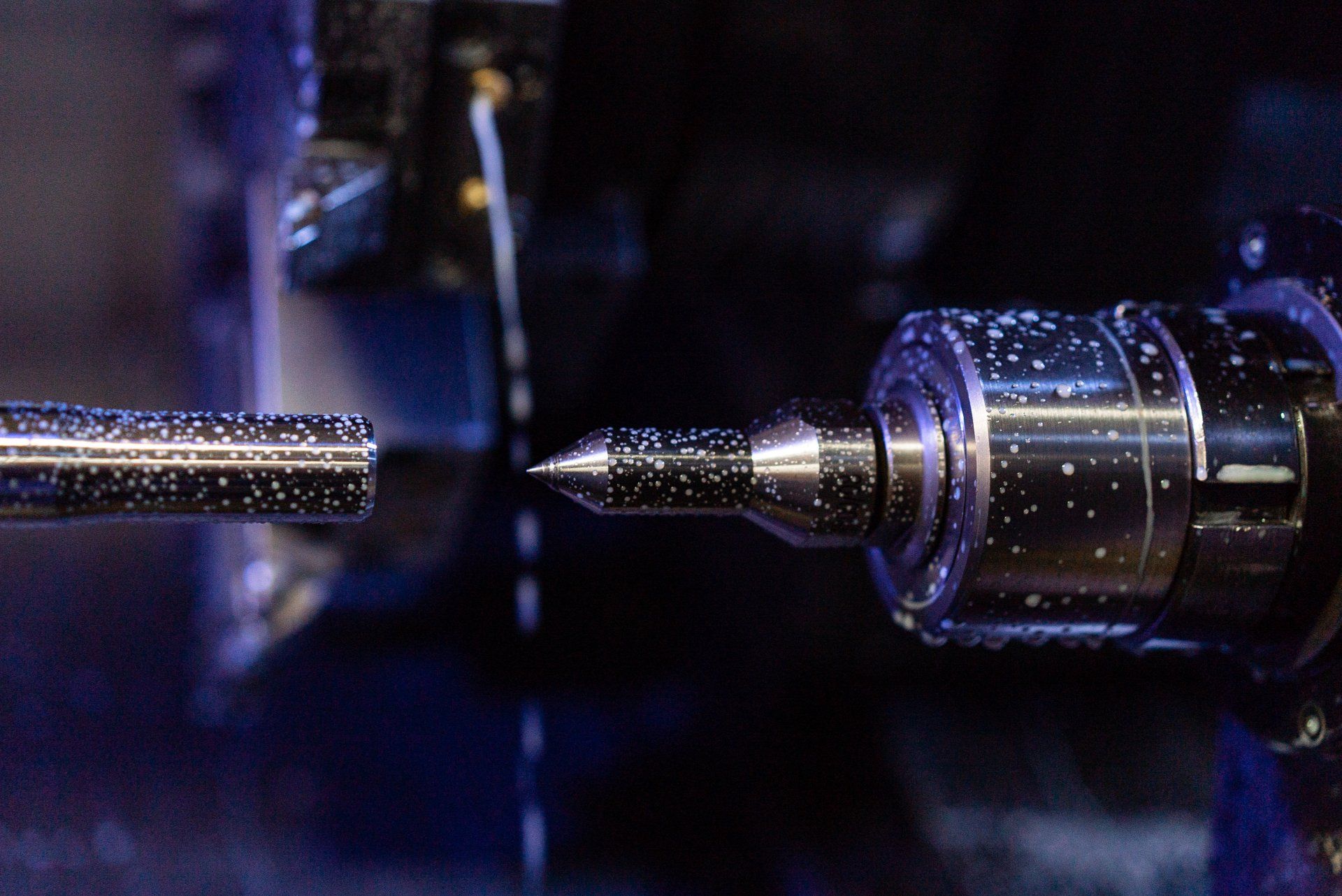
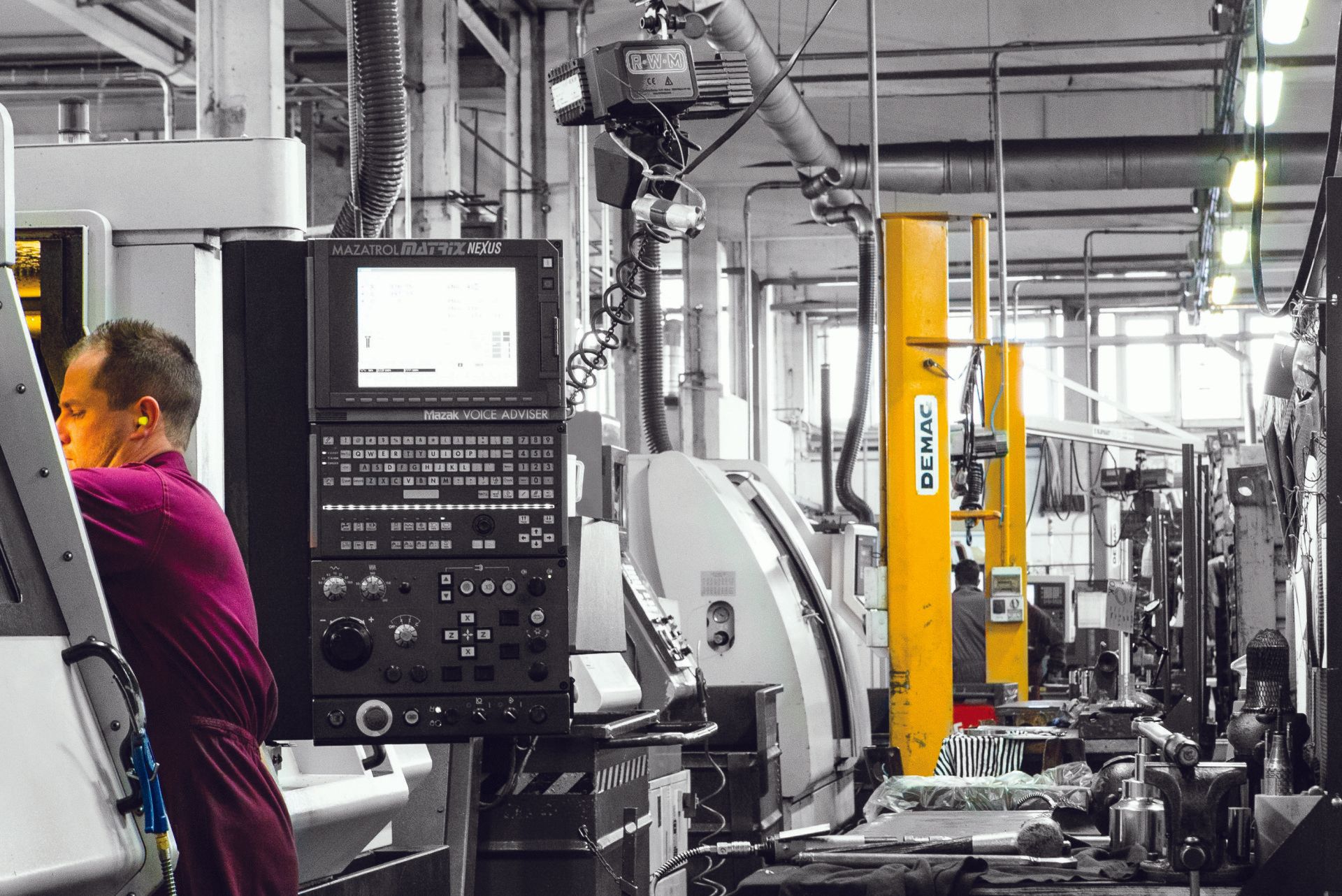
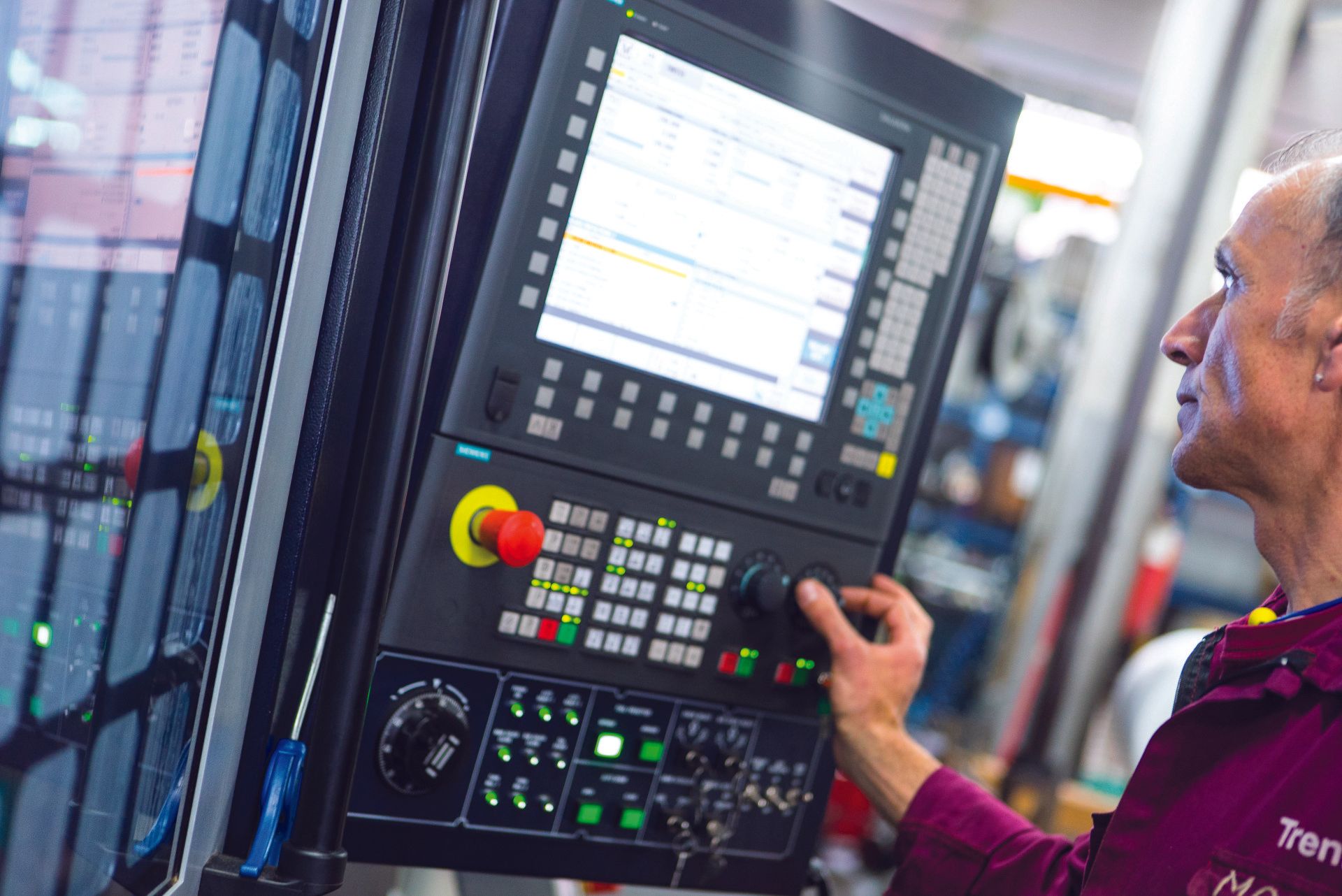
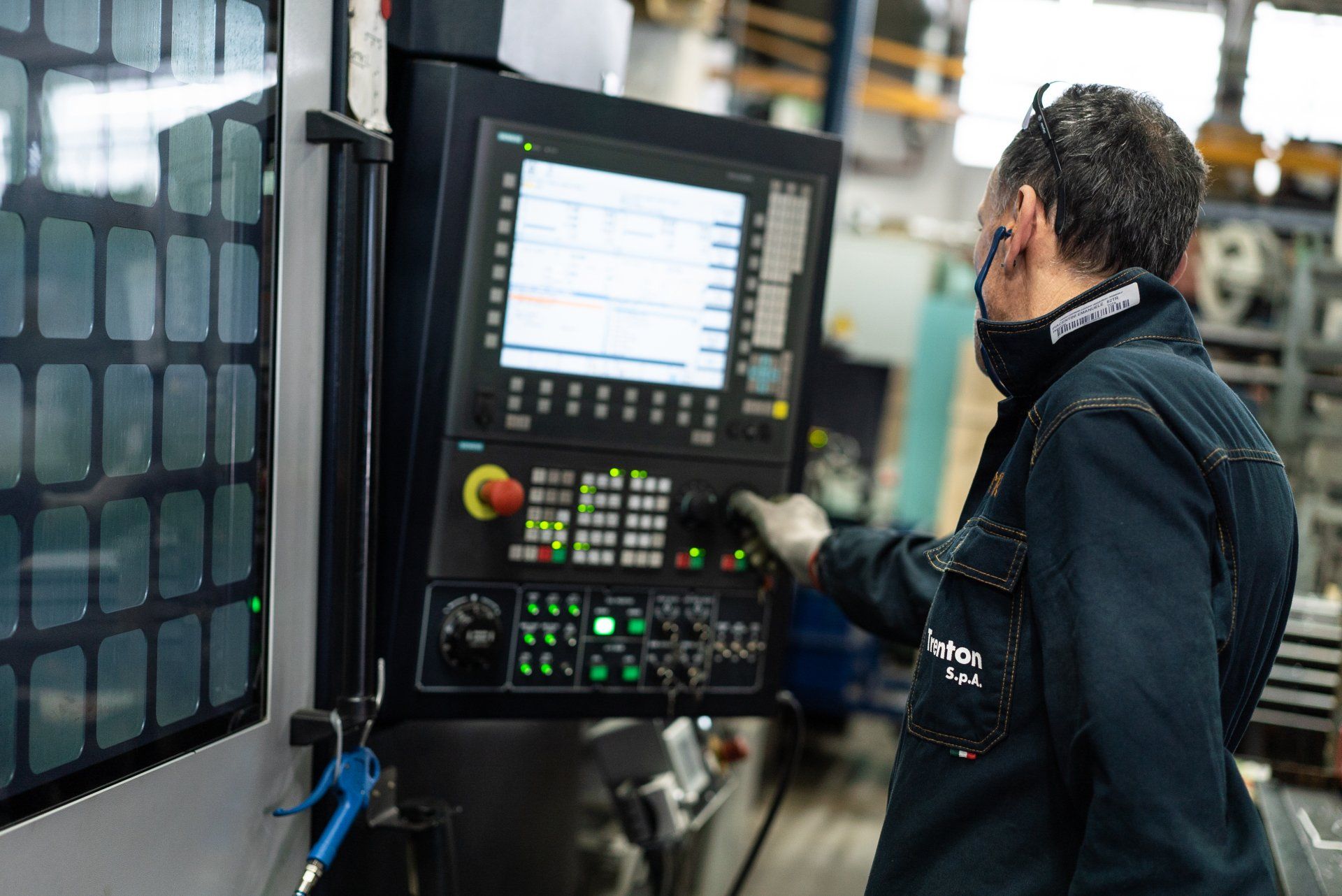
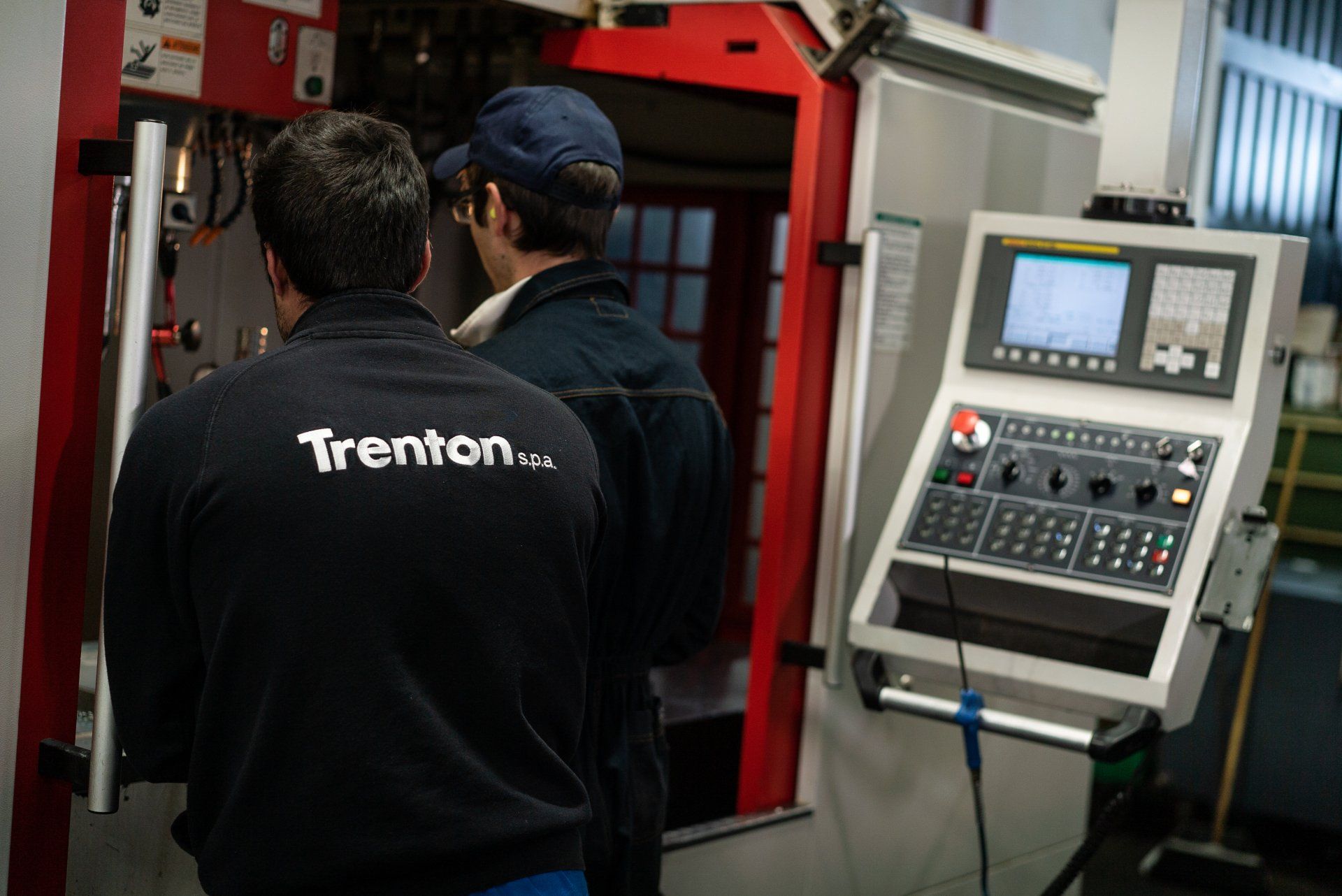
Precision machining operations such as CNC turning and CNC milling represent fundamental steps in the production of mechanical components.

These processes allow the machining of shafts, transmission components and other precision parts with high dimensional accuracy and excellent repeatability.

Modern CNC machines ensure efficient and reliable production for medium and large manufacturing batches.

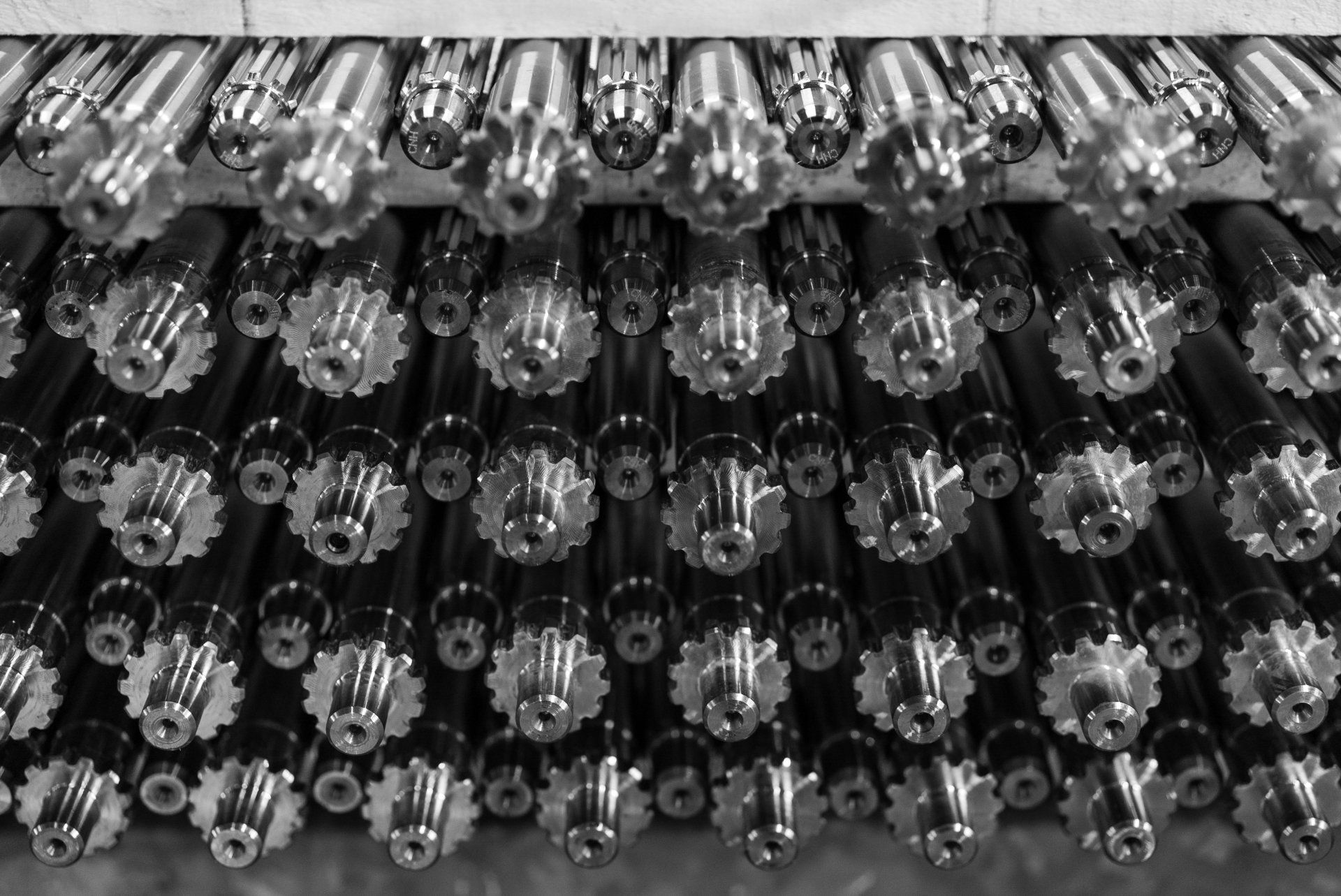
Gear and Spline Cutting

Gear and spline cutting operations allow the production of transmission components and precision mechanical parts used in rotating systems.

These processes ensure accurate machining of gear teeth and splines used in demanding mechanical applications.

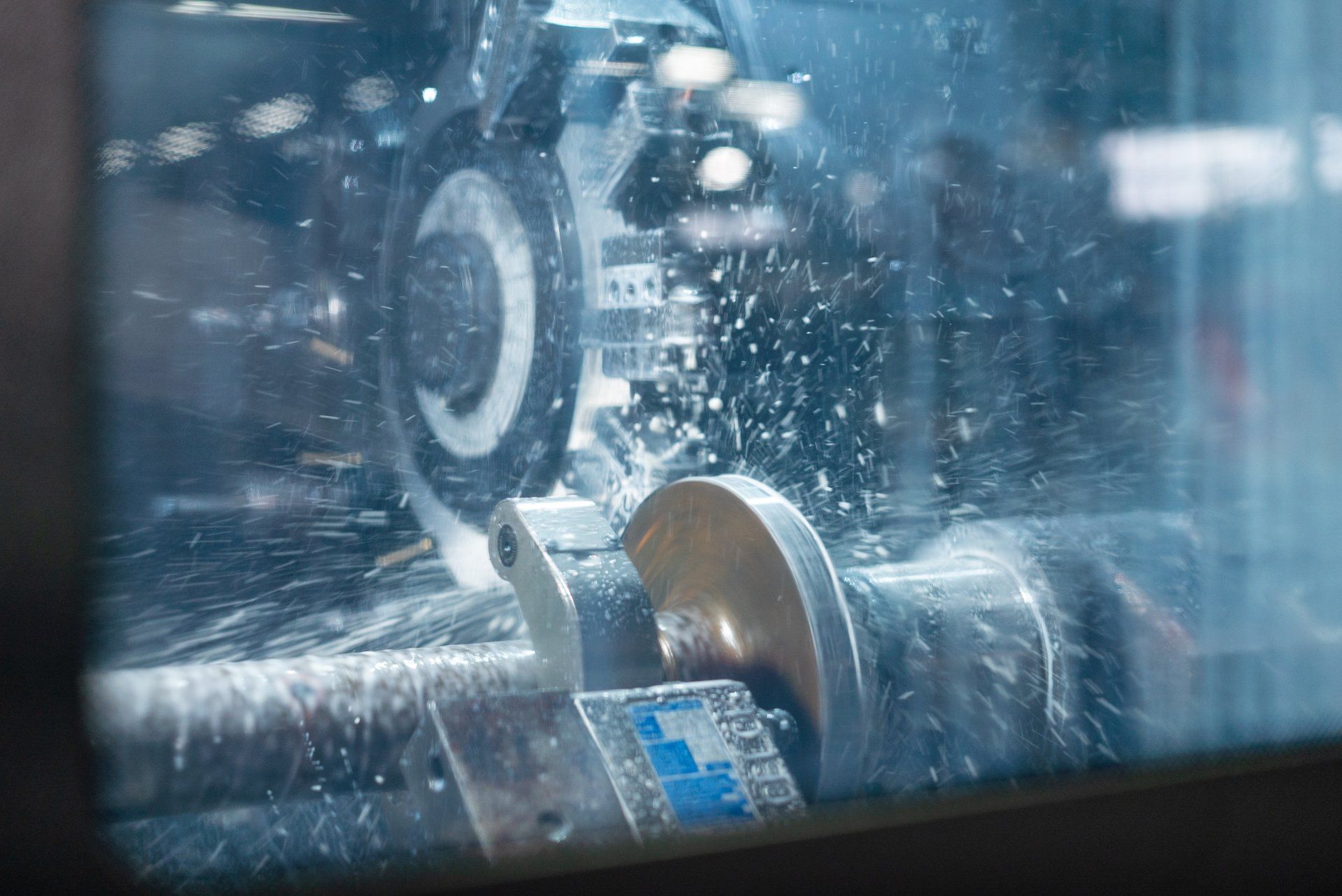
Precision Grinding

Precision grinding processes are used to achieve tight tolerances and excellent surface finishes on mechanical components.

Grinding operations ensure high dimensional accuracy and reliable performance for components operating under demanding mechanical conditions.

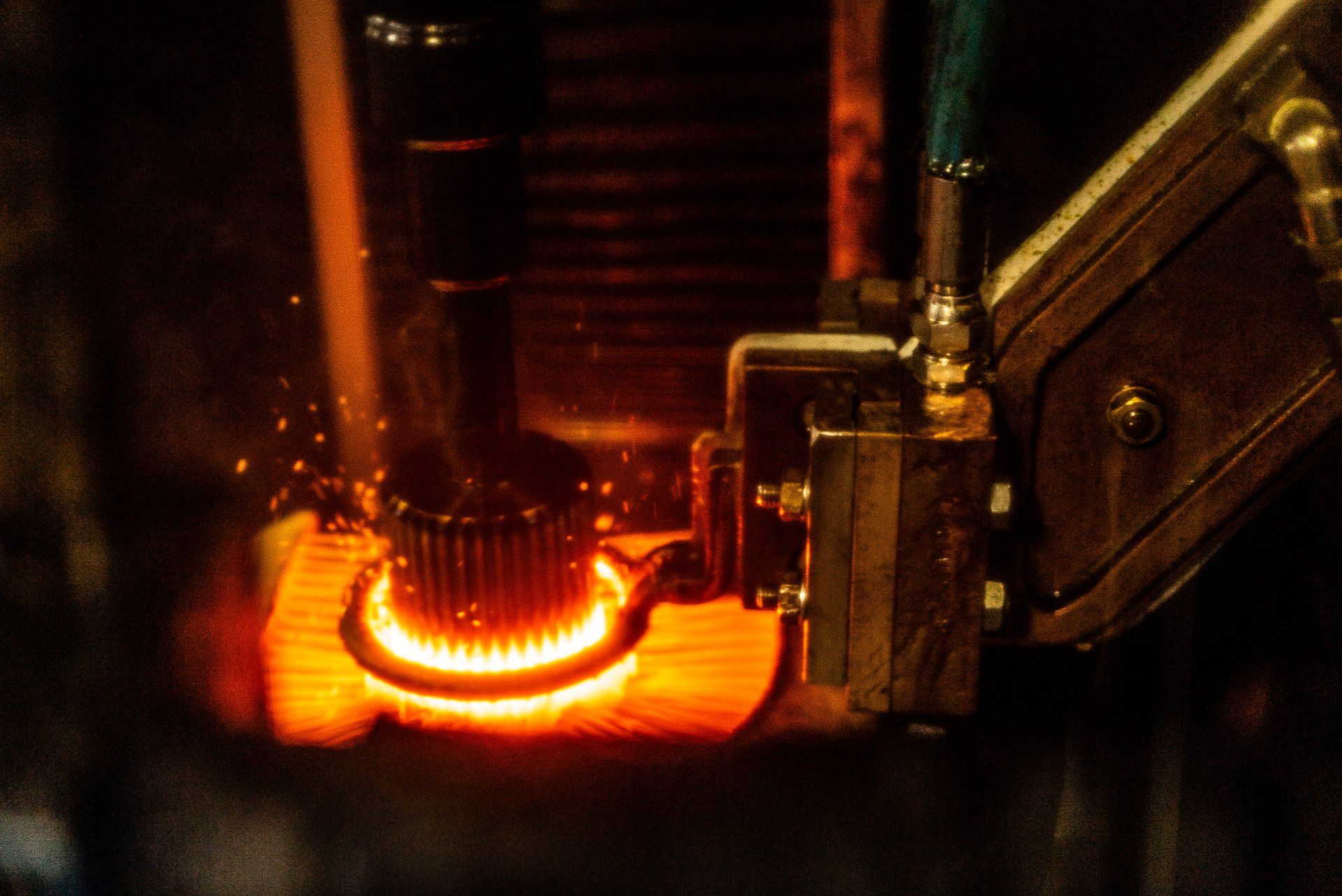
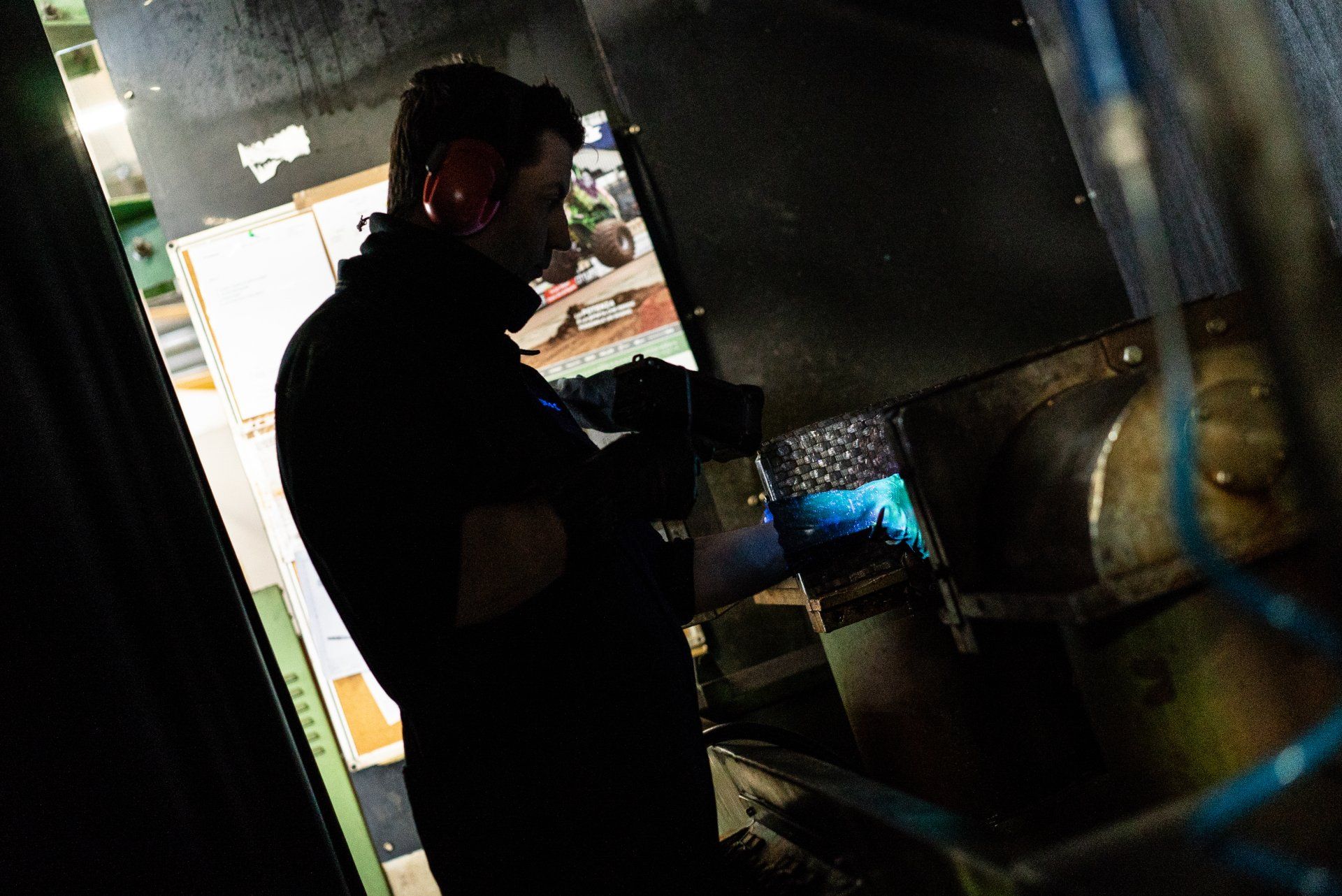
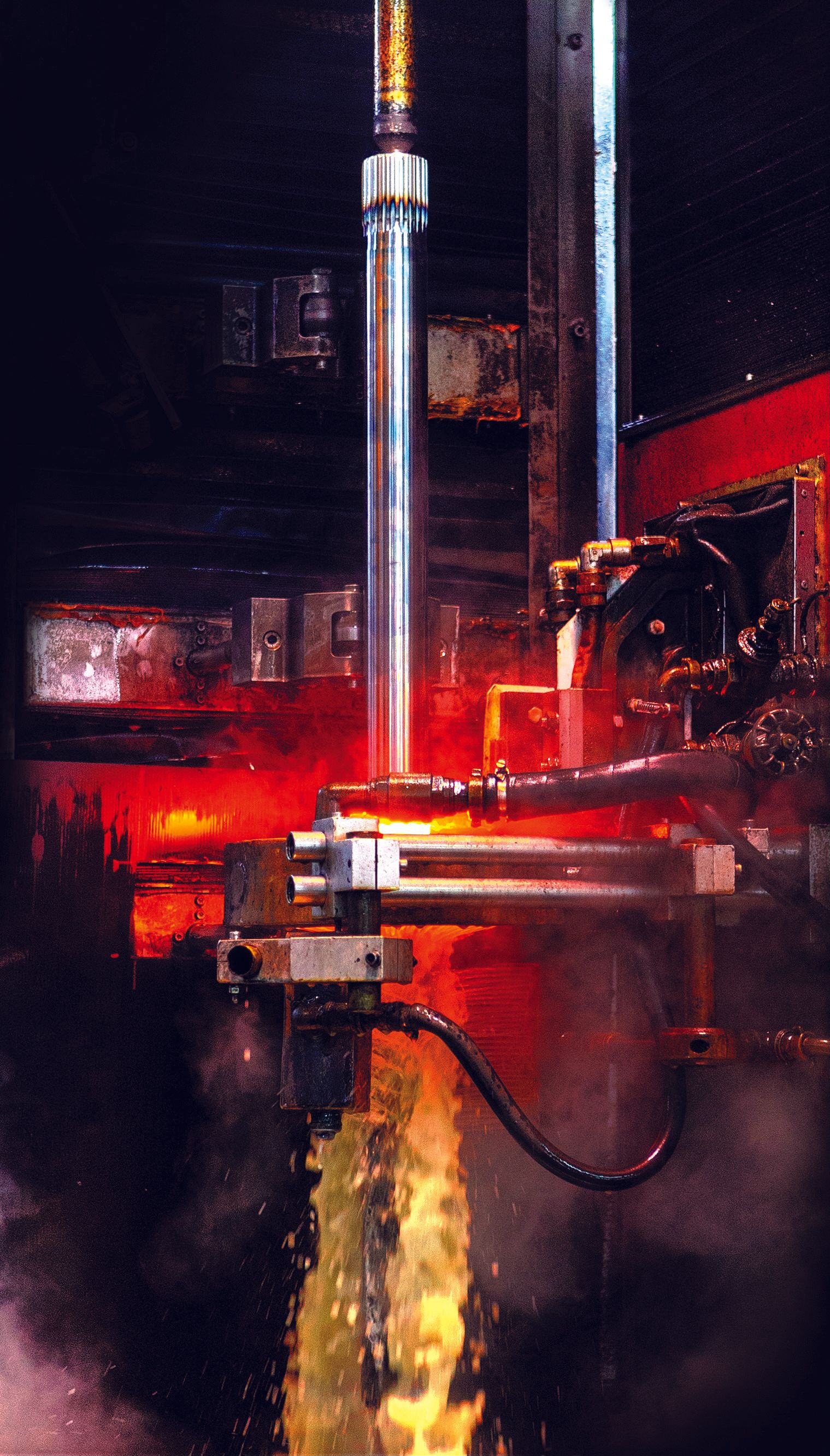
Induction Hardening

Induction hardening is performed to improve wear resistance and durability of steel components.

This heat treatment process increases surface hardness while maintaining the strength and toughness of the core material, ensuring reliable performance in heavy-duty applications.

Integrated Production System

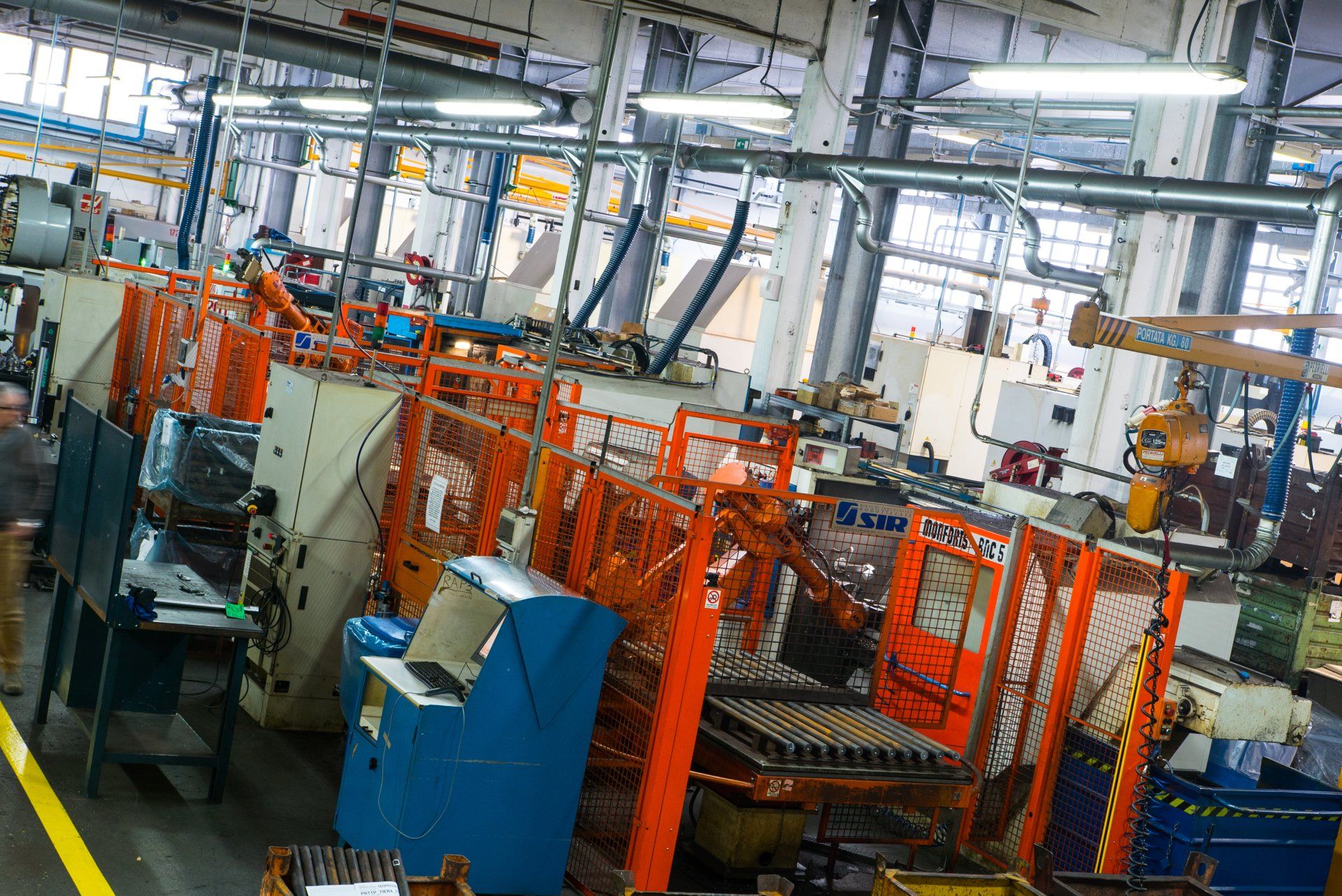
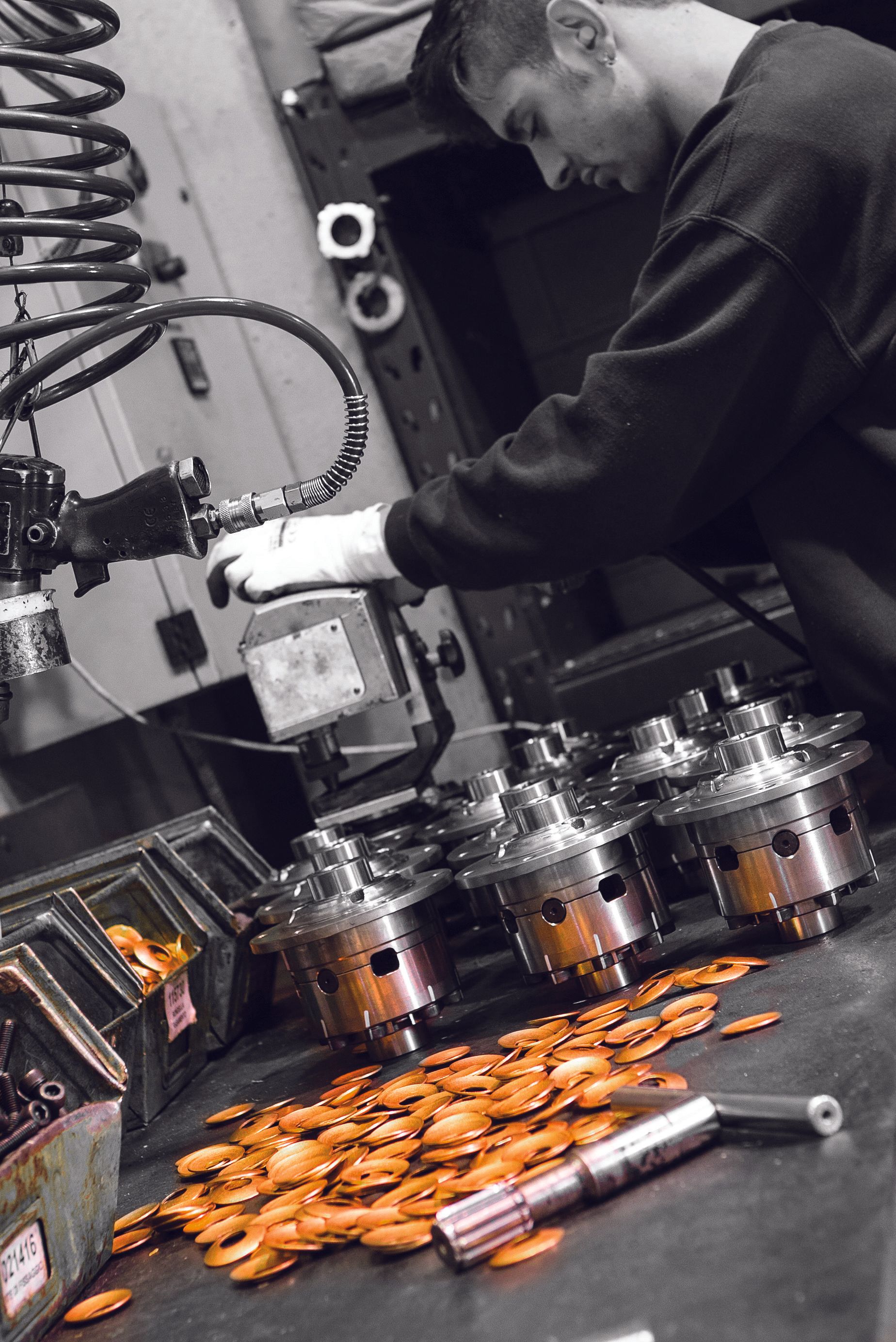
Trenton manufacturing capabilities include a wide range of production operations that together form a complete manufacturing process.

Through the integration of machining, gear manufacturing, grinding and heat treatment processes, Trenton guarantees reliable production and consistent quality for demanding industrial sectors.

Technological innovation in the industrial sector has proven to be a key factor for improved productivity, increased profits, and enhanced competitiveness in the global market. Thanks to advances in technology, the industry has been able to achieve new levels of efficiency and cost reduction.

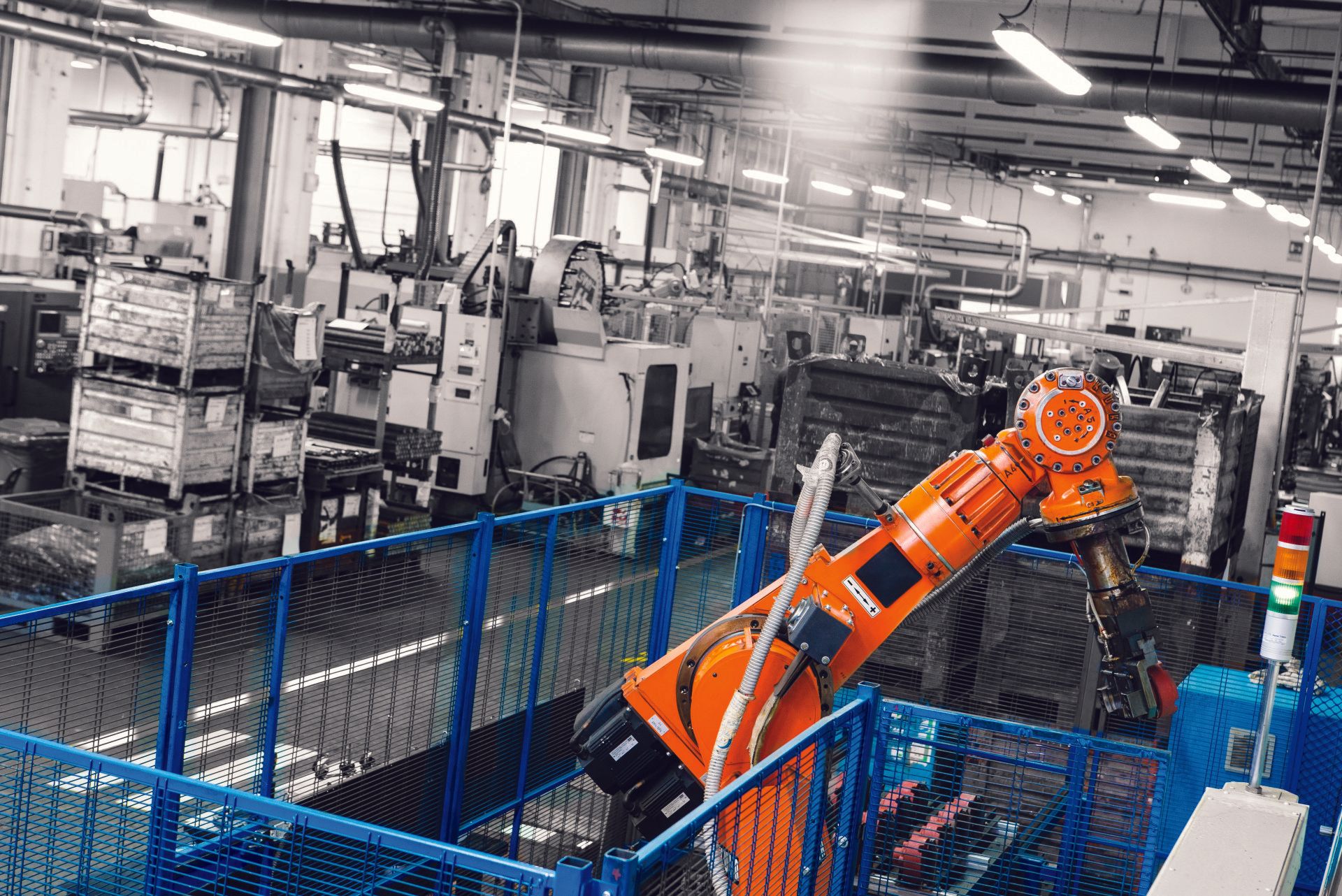
An example of technological innovation in the industrial sector is the introduction of intelligent machines and robots. These automated systems can perform repetitive tasks faster, more precisely, and more efficiently than humans. This allows companies to increase production and reduce errors, thereby improving the quality of the final product.

Furthermore, industrial technology  4.0 has led to the adoption of sensors and Internet of Things (IoT) devices, enabling machines to communicate with each other and with human operators. This connectivity facilitates the collection and analysis of data, allowing companies to monitor and optimize production processes.
Another example of technological innovation in industry is represented by artificial intelligence (AI) and machine learning. These technologies enable machines to learn and make decisions autonomously based on collected data. This results in improved efficiency and productivity, as well as the ability to predict and prevent failures and issues.

Technological innovation in the industrial sector has also led to the creation of new materials and sustainable solutions. For instance, 3D printing has revolutionized the production of prototypes and customized components, reducing costs and production time. Additionally, the use of recyclable and low-carbon-emission materials contributes to reducing the environmental impact of the industry.

However, with industrial technological innovation come new challenges. For example, increasing automation and the introduction of new technologies may lead to a reduction in human jobs. Therefore, it is important to develop policies and programs to ensure that workers have the necessary skills to adapt to changes and benefit from the opportunities created by technological innovation.

In conclusion, technological innovation in the industrial sector is revolutionizing manufacturing and business processes. Through technology, companies can increase productivity, reduce costs, and improve product quality. However, it is essential to address challenges and ensure that industrial technological innovation is socially and environmentally sustainable.